
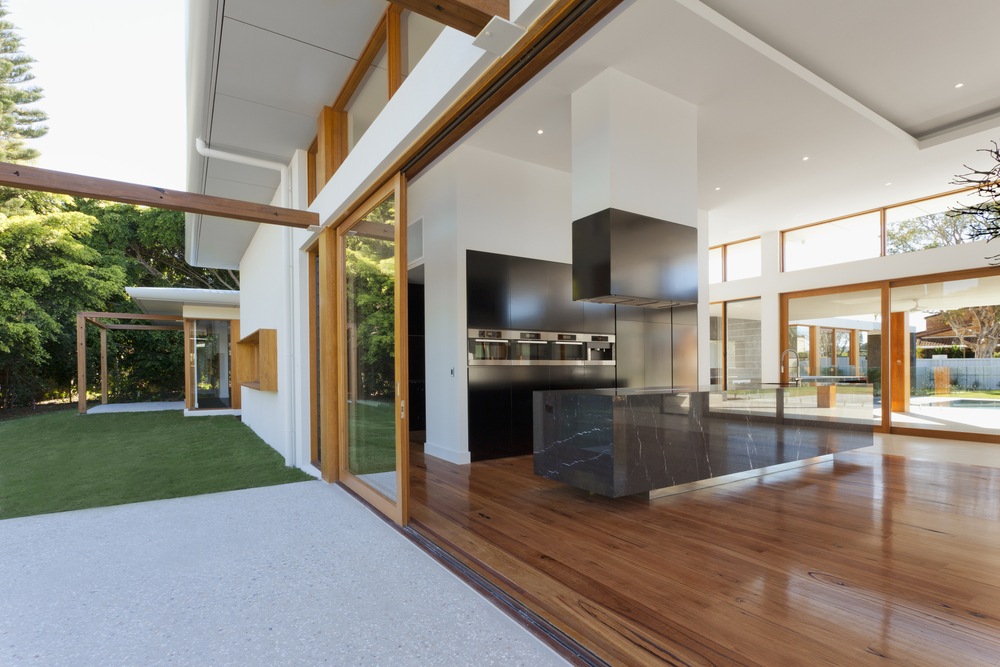
Building a granny flat can transform how you use your property, add value and provide flexible living options for family members or rental income. If you are searching for a reliable partner, consider specialists like granny flat builder melbourne www.prevailinghomes.com.au who focus on tailored designs and local compliance. This article explores the practical steps, design considerations, budgeting, approvals and selection criteria to help you work effectively with a granny flat builder in Melbourne.
Overview and benefits. A granny flat—also known as a secondary dwelling—offers privacy, independence and the potential for extra income. For homeowners in Melbourne, a well-designed granny flat can increase property value significantly while making efficient use of underutilised space. Modern builds range from compact studio units to fully featured one- or two-bedroom homes with kitchens, bathrooms and living areas. Investing in a quality granny flat builder ensures durability, compliance with local regulations and a finished product that complements the main residence.
Design considerations. Start with a clear brief: intended use (family living or rental), preferred size, number of bedrooms, accessibility features and sustainability targets. A reputable builder will offer options for modular or custom-built designs. Modular solutions can speed up construction and reduce on-site disruption, while custom builds allow more flexibility in layout and finishes. Think about natural light, orientation, outdoor access, storage and parking integration. Practical design choices now can reduce long-term maintenance and increase tenant appeal.
Understanding local regulations. Navigating council rules and planning permits is often the most complex part of a granny flat project in Melbourne. Requirements vary by municipality and depend on lot size, setbacks, maximum floor area and whether the site has heritage overlays or environmental constraints. A professional builder experienced in Melbourne’s councils will manage the documentation, liaise with town planners and prepare compliant drawings. They can advise whether a simple building permit will suffice or whether planning approval is required, potentially speeding up the process and avoiding costly redesigns.
Budgeting and cost drivers. Cost depends on size, finishes, site conditions, service connections and whether earthworks or retaining walls are needed. Typical allowances cover design fees, engineering, site preparation, foundation work, plumbing, electrical, insulation, cladding, windows, kitchen and bathroom fittings, and landscaping. Additional costs may include town planning fees, utility connection charges and contingency for unforeseen site issues. Obtain detailed quotes from several builders and compare not only price but included scope, warranties and timelines.
Materials and sustainability. Contemporary granny flats often use durable, low-maintenance materials like fiber cement cladding, aluminum windows and composite decking. Insulation, energy-efficient glazing and gas or electric heating systems improve comfort while reducing running costs. Consider solar panels, rainwater harvesting and water-efficient fixtures to increase sustainability and appeal to environmentally conscious tenants. A builder with green construction experience can help prioritise upgrades that offer the best return on investment.
Construction timeline and process. After finalising design and approvals, the build timeline typically follows stages: site preparation, foundations, framing, roofing, rough-in services, internal linings, finishes and landscaping. For a standard single-storey granny flat, the on-site build can range from a few weeks for modular units to several months for custom projects. Weather, supply chain delays and council inspections can affect the schedule. A transparent builder will provide a realistic program and regular updates through each milestone.
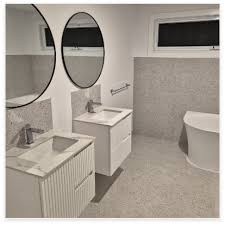
Choosing the right granny flat builder in Melbourne. Experience with local regulations and a proven portfolio are essential. Check references, inspect completed projects and ask about guarantees and aftercare. Confirm the builder’s contract includes a clear scope, payment schedule, variations process and defect rectification period. Licensing, insurance and accreditation with industry bodies give added confidence. Communication style matters: choose a builder who listens, explains options clearly and provides practical problem-solving during design and construction.
Managing the relationship. Successful projects rest on good collaboration. Establish a single point of contact, agree on decision timelines and keep records of approvals for selections and changes. Be realistic about on-site impacts and coordinate with neighbours when necessary. Regular site visits and progress photos can help you stay informed without impeding the builder’s workflow. When variation requests arise, review cost and time implications promptly to avoid misunderstandings.
Maximising return on investment. To enhance resale and rental returns, prioritise functional layouts, quality finishes and energy efficiency. Neutral, durable materials appeal to a wide market and reduce repainting and maintenance costs. Landscaping and private outdoor space add value, while inclusive design features make the unit attractive to older occupants and long-term tenants. Consult with local property managers or real estate agents to understand rental demand in your suburb before finalising specifications.
Common pitfalls to avoid. Underestimating permit requirements, choosing the cheapest tender without checking credentials, and neglecting site constraints can lead to delays and added expense. Poorly detailed contracts or vague scope descriptions cause disputes over inclusions. Rushing design decisions can mean costly changes later. Mitigate risks by engaging experienced professionals early, obtaining multiple quotes and allowing contingency in your schedule and budget.
Case study highlights. Many Melbourne homeowners have successfully added granny flats to accommodate ageing parents or to increase rental income. Typical success factors include careful site assessment, compact but efficient design, attention to insulation and ventilation, and a builder who managed council approval efficiently. The best outcomes combine practical design with quality construction and a clear plan for ongoing property management.
Final checklist before you start. Confirm property zoning and planning controls, establish a realistic budget and timeline, choose a builder with local experience, get a detailed written contract, plan for utility connections and landscaping, and consider sustainability features that reduce ongoing costs. Keep a small contingency fund for unexpected site conditions and schedule regular communication points with your builder.
Conclusion. Engaging a specialised granny flat builder in Melbourne can unlock significant lifestyle and financial benefits when the project is well planned and executed. From understanding council requirements to selecting materials and managing construction, a trusted builder will guide you through each stage. Take time to research options, review portfolios and verify credentials so your granny flat becomes a durable, compliant and valuable addition to your property.